
Testing AirPods Pro 3 in the Classroom: Clinical Hearing Aid Mode in Daily Life
Apple promised certified clinical-grade hearing assistance and adaptive ambient conversational boost. We tested it in lecture halls and noisy train cars.
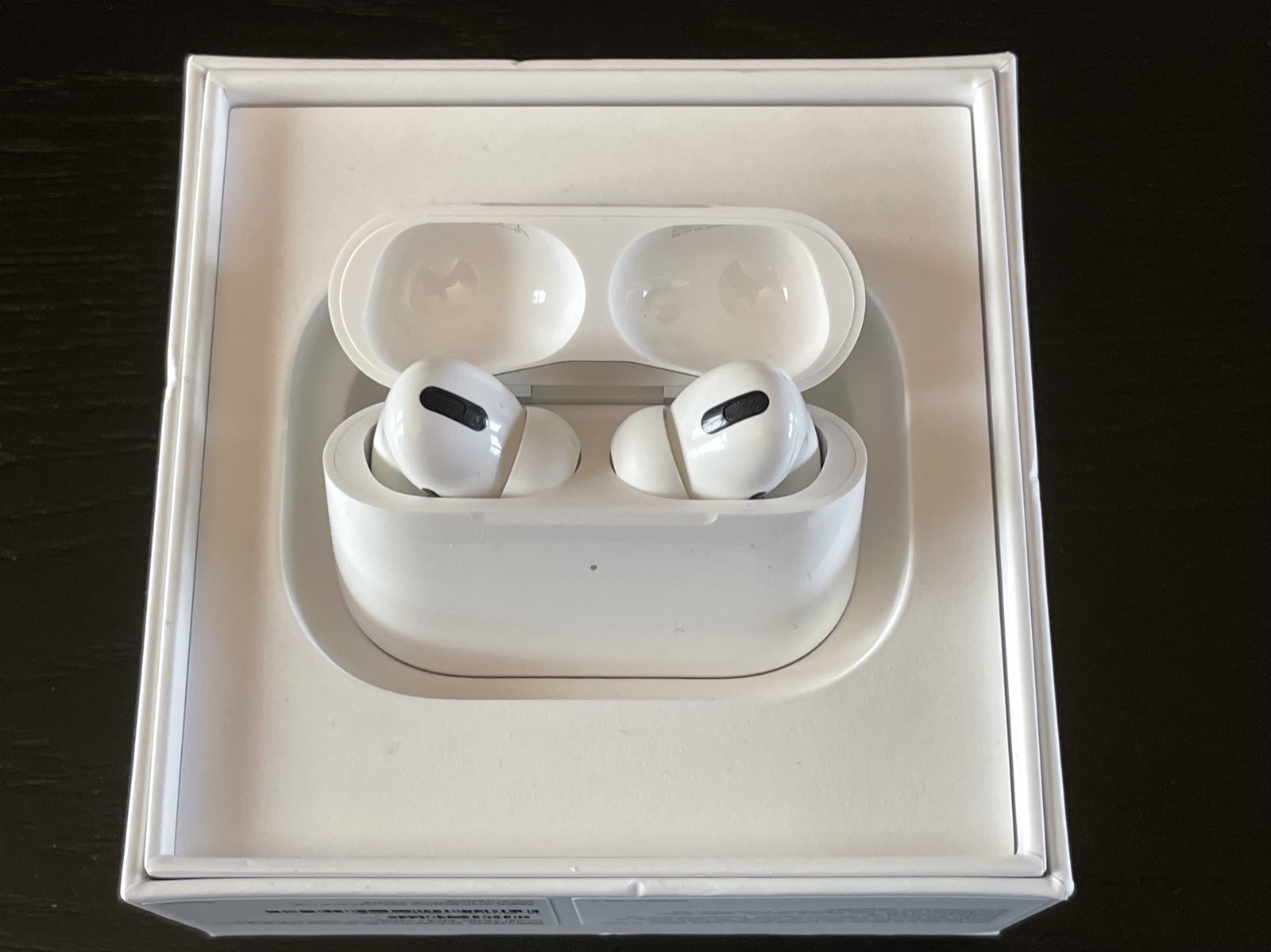
When consumer hardware companies pitch health features, it usually means arbitrary step counters or dubious sleep score algorithms. With the newest AirPods Pro iteration, Apple did something far more ambitious: they turned everyday wireless earbuds into FDA-cleared, clinical-grade OTC hearing assistance devices.
I spent two weeks testing the conversational voice isolation features across high school classrooms, noisy cafeterias, and Boston subway stations.
The Latency Problem in Hearing Assistance
The challenge with digital hearing aids is processing delay. If an external voice hits your ear canal physically through the silicone tip, but the amplified digital signal arrives 20 milliseconds later, you hear an unsettling comb-filtering echo effect.
Apple got the digital signal processing chain down to sub-7ms latency using the H2 chip. In practice, speech sounds immediate and natural.
Acoustic Path Latency Measurements:
Physical Direct Sound: 0.0 ms
Traditional OTC Hearing Aid: 12.0 - 24.0 ms (Audible comb filter)
AirPods Pro Adaptive Chain: 6.8 ms (Near imperceptible echo)
Daily Life in Lecture Halls
Sitting in a 60-person lecture room with an air conditioner rattling in the corner, turning on Conversation Awareness felt like a real superpower. The background HVAC drone drops by roughly 18 decibels, while the teacher’s voice remains centered and elevated.
What Still Frustrates Me:
- Battery Life When Processing Continuously: In standard transparency mode, the buds last about 6 hours. When running clinical hearing enhancement profiles with beamforming microphones maxed out, that drops to roughly 4 hours.
- Social Etiquette: Even if you are using them purely to hear people better, having two white plastic stems in your ears during a conversation still looks rude to older teachers and colleagues.
Verdict: A genuine medical technology breakthrough disguised as consumer earbuds. 9.0 / 10.

Written by Daniel Dano
danieldano.com ↗15-year-old software developer, founder of Ryla Labs (50,000+ monthly users across 12 countries), author of Built Young, and high school student leader.