
Bambu Lab A1 Mini Review: The Toaster Appliance of 3D Printing
3D printing used to require bed-leveling calipers, hairspray, and constant troubleshooting. At $199, this machine turned rapid hardware prototyping into a zero-fuss appliance.
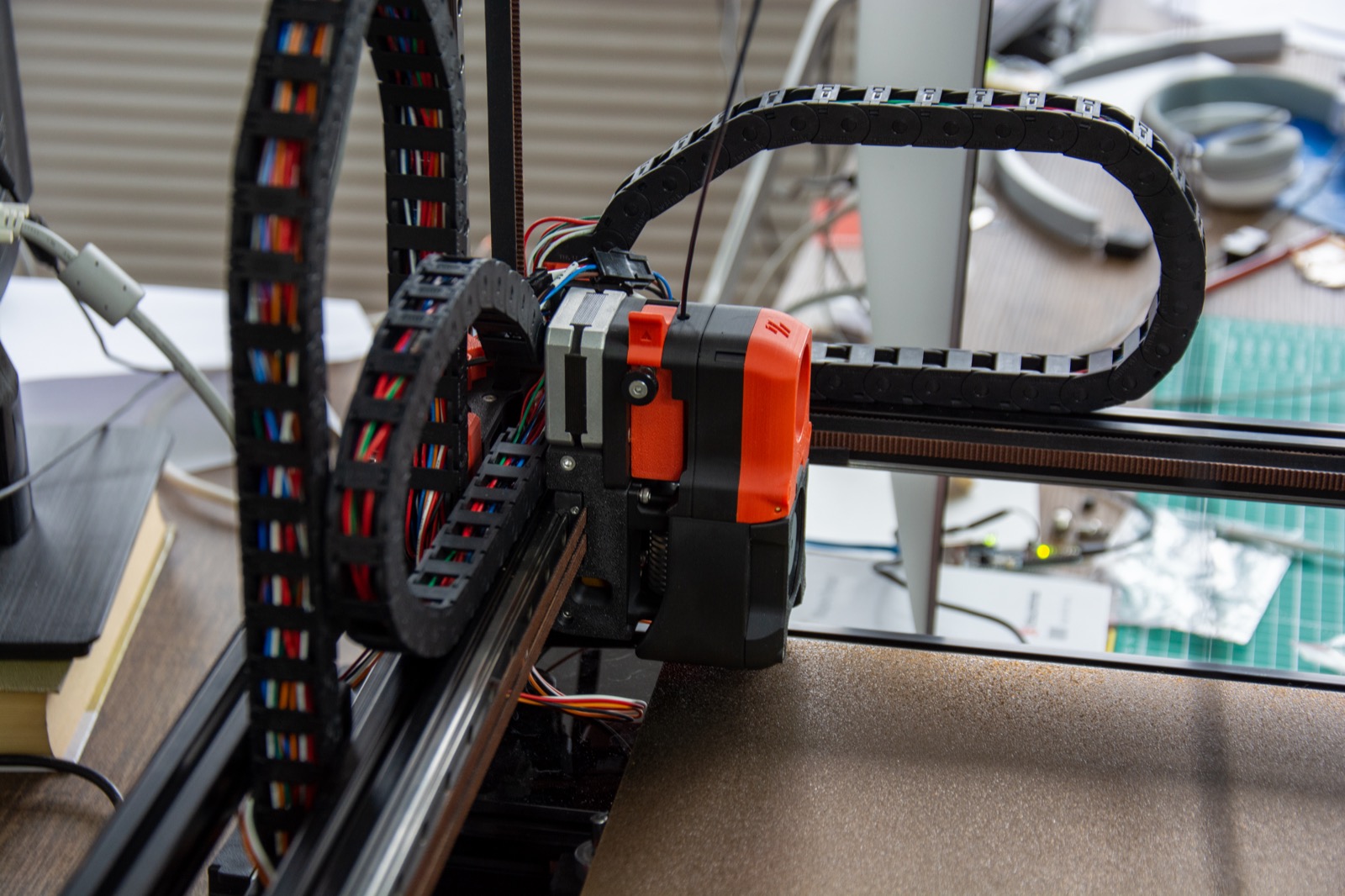
When I bought my first 3D printer four years ago, it was an Ender 3. Before every single print, I had to manually level the four bed springs with a piece of notebook paper, adjust the eccentric nuts on the V-slot wheels, apply glue stick to the glass bed, and pray that the nozzle did not clog halfway through a five-hour run.
The hobby was 80% maintaining the printer and 20% actually making parts.
The Bambu Lab A1 Mini flipped that equation on its head.
True Automated Calibration
When you unbox the A1 Mini, you screw in four bolts, plug in the power cord, and let the machine run its self-calibration sequence:
- Eddy Current Bed Leveling: Uses an inductive probe to measure nozzle pressure at 16 points across the PEI spring steel sheet.
- Active Vibration Compensation: Shakes the printhead at high frequencies and measures resonance curves to eliminate ghosting artifacts.
- Automatic Flow Dynamics: Squirts a calibration purge line to measure backpressure in the hotend before starting the first layer.
You slice a custom CAD case for a Raspberry Pi or a custom sensor mount, hit print from your laptop, and walk away. It prints successfully 99 times out of 100.
The Drawbacks: Cloud Ties and Build Volume
- Small Bed Size: At 180 x 180 x 180 mm, you cannot print full-size mechanical keyboard cases or large drone frames in one piece.
- Bambu Studio Cloud: While you can run the printer in local LAN mode, the proprietary firmware ecosystem means you cannot easily swap out boards for custom Klipper setups.
At $199 without the multi-material unit, it is the highest return-on-investment prototyping tool any hardware hacker or student can buy.

Written by Daniel Dano
danieldano.com ↗15-year-old software developer, founder of Ryla Labs (50,000+ monthly users across 12 countries), author of Built Young, and high school student leader.