
Teardown: The Engineering Genius of Pocket Operators
Why bare circuit boards, raw LCD displays, and AAA batteries make Teenage Engineering's $89 synthesizers a masterclass in consumer hardware manufacturing.
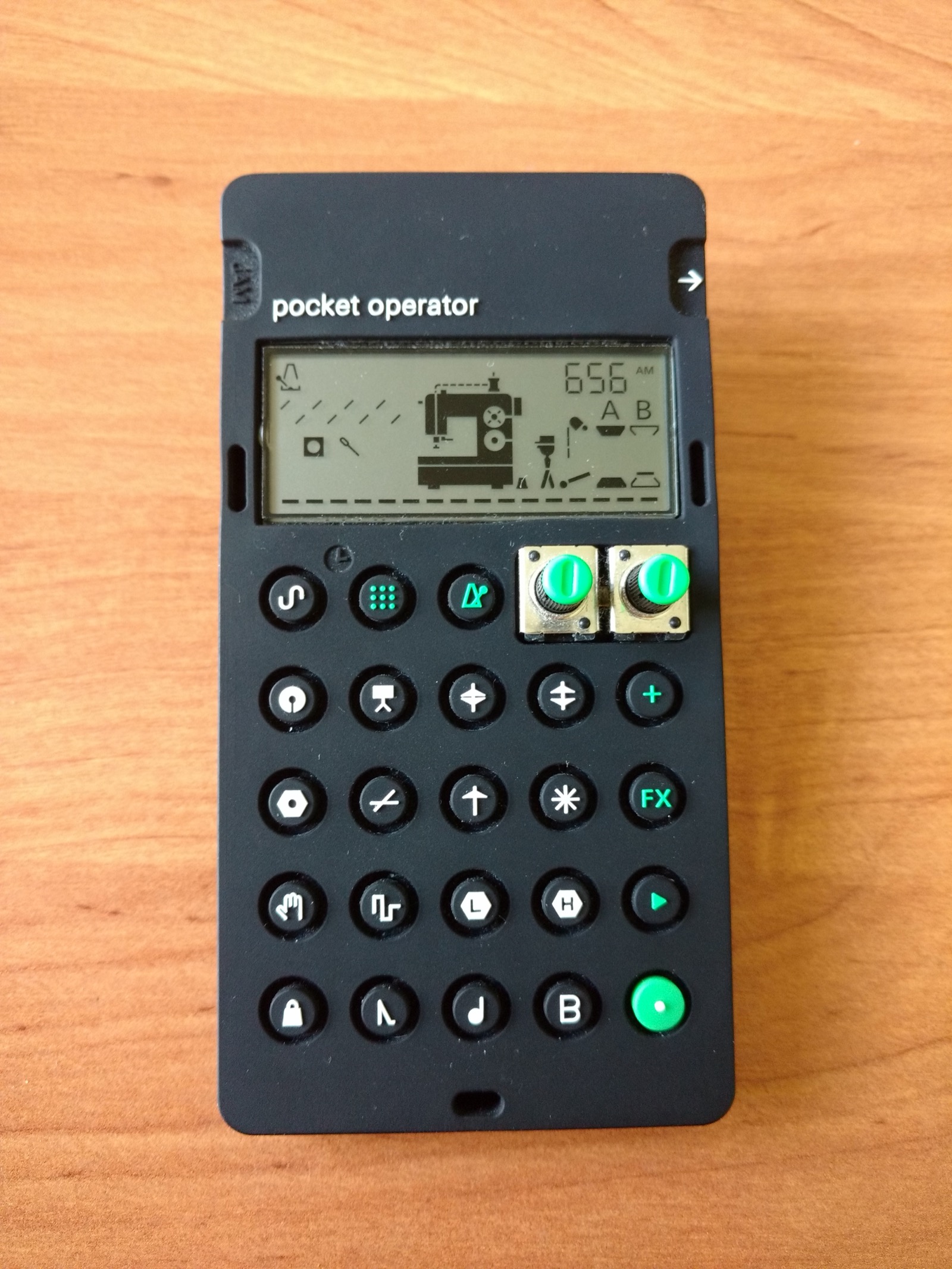
Most electronic consumer gadgets hide their guts beneath injection-molded plastic shells. Companies spend hundreds of thousands of dollars tooling custom chassis molds, snap-fit clips, and ultrasonic welds to conceal the green fiberglass board inside.
Teenage Engineering took the exact opposite route with the Pocket Operator line. They realized that by using the printed circuit board as the outer product housing, they could cut manufacturing costs by 70% while creating an instantly recognizable industrial design aesthetic.
I recently took apart a malfunctioning PO-33 K.O. sampler to inspect its electrical architecture. Here is what makes this tiny music machine so clever.
The Chassis-Free Design Philosophy
When you pick up a Pocket Operator, you are touching the structural FR4 substrate directly:
- No Outer Plastic Shell: The PCB itself provides all the rigidity.
- Breakaway Top Loop: The top of the board features a stamped metal hanging tab with a perforation line. You can snap it off with your fingers if you want to slip it into a silicon case.
- Screen Mounting: The segmented LCD display is soldered directly onto gold-plated pads using an array of flexible through-hole pins without any protective glass cover.
Core Component Specs:
Processor: Silicon Labs EFM32 Gecko 32-bit Cortex-M3 (48 MHz)
Display: Custom Segmented Monochrome LCD with retro pixel icons
Power Source: 2x AAA alkaline batteries (approx. 30 days standby)
Audio In/Out: 3.5mm stereo minijacks with sync-pulse clocking
The buttons use cheap, durable metal snap domes directly over copper contact rings. If a key fails, you can peel back the tape, clean it with alcohol, and replace the dome for five cents. It is a clinic in pragmatic, beautiful hardware engineering.

Written by Daniel Dano
danieldano.com ↗15-year-old software developer, founder of Ryla Labs (50,000+ monthly users across 12 countries), author of Built Young, and high school student leader.