
PTM7950 Phase Change Pads vs Traditional Thermal Paste on Laptop CPUs
Why liquid thermal paste pumps out after six months in laptops, and how Honeywell's industrial phase-change pads dropped our core temps by 9C permanently.
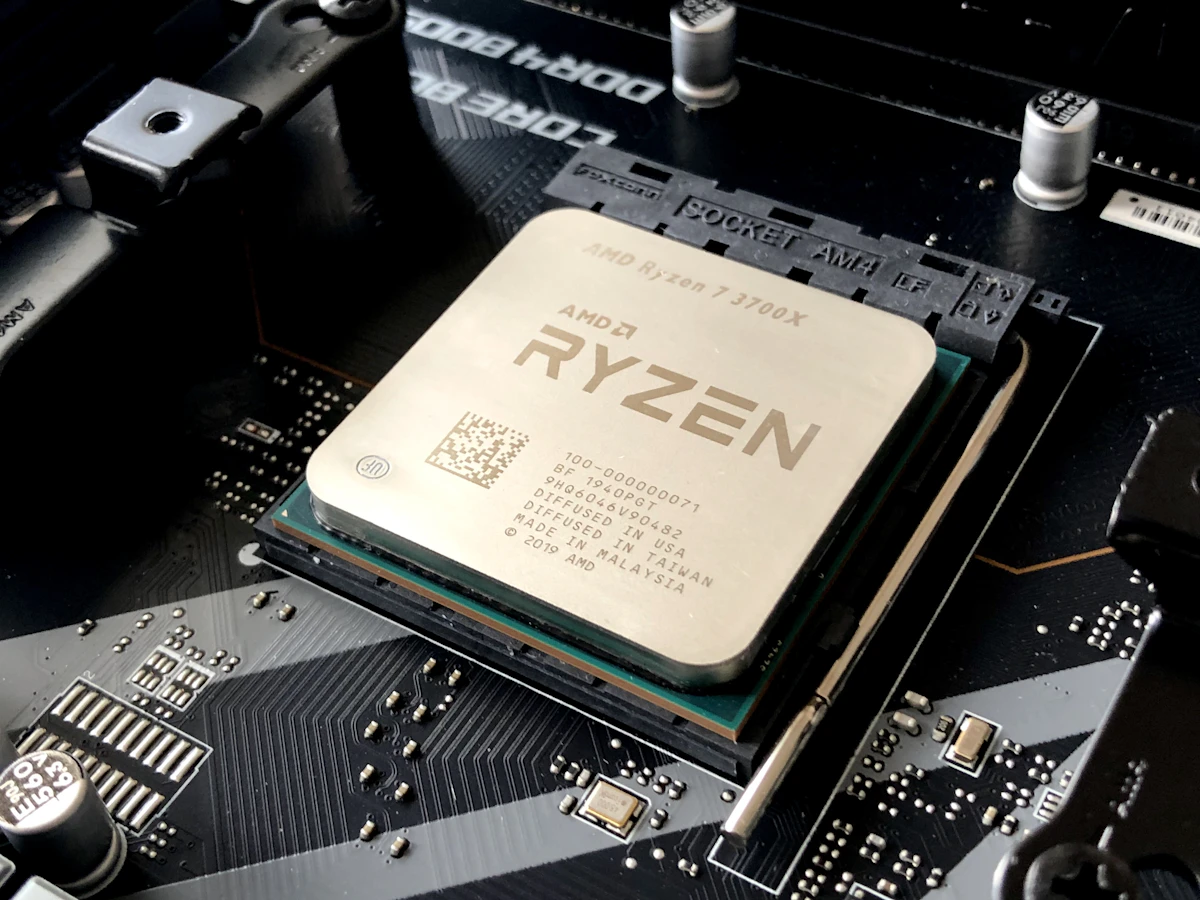
If you have ever repasted a gaming laptop or portable workstation with premium thermal compound (like Arctic MX-4 or Kryonaut), you probably noticed great temperatures for the first month, followed by throttling fans returning six months later.
This happens because of the pump-out effect:
- Direct-die laptop CPUs do not have thick integrated heat spreaders (IHS).
- As the silicon die cycles rapidly between 40C and 95C under load, microscopic microscopic expansion and contraction physically squeezes liquid paste outward away from the center of the die.
Honeywell engineered PTM7950, an industrial phase-change pad that is solid at room temperature and melts into a micro-thin liquid at 45C:
- No Pump-Out: As the die cools, the material solidifies back into place.
- Longevity: Designed to last up to five years without maintenance.
We tested it on a heavily throttled AMD laptop: peak temperatures dropped from 94C to 85C under Cinebench R23, and noise levels dropped by 6 decibels.

Written by Daniel Dano
danieldano.com ↗15-year-old software developer, founder of Ryla Labs (50,000+ monthly users across 12 countries), author of Built Young, and high school student leader.