
Framework Laptop 13 Two Years Later: Did Modular Hardware Actually Work?
Swapping motherboards, upgrading ports with expansion cards, and replacing batteries with a standard screwdriver. The reality of right-to-repair in 2026.
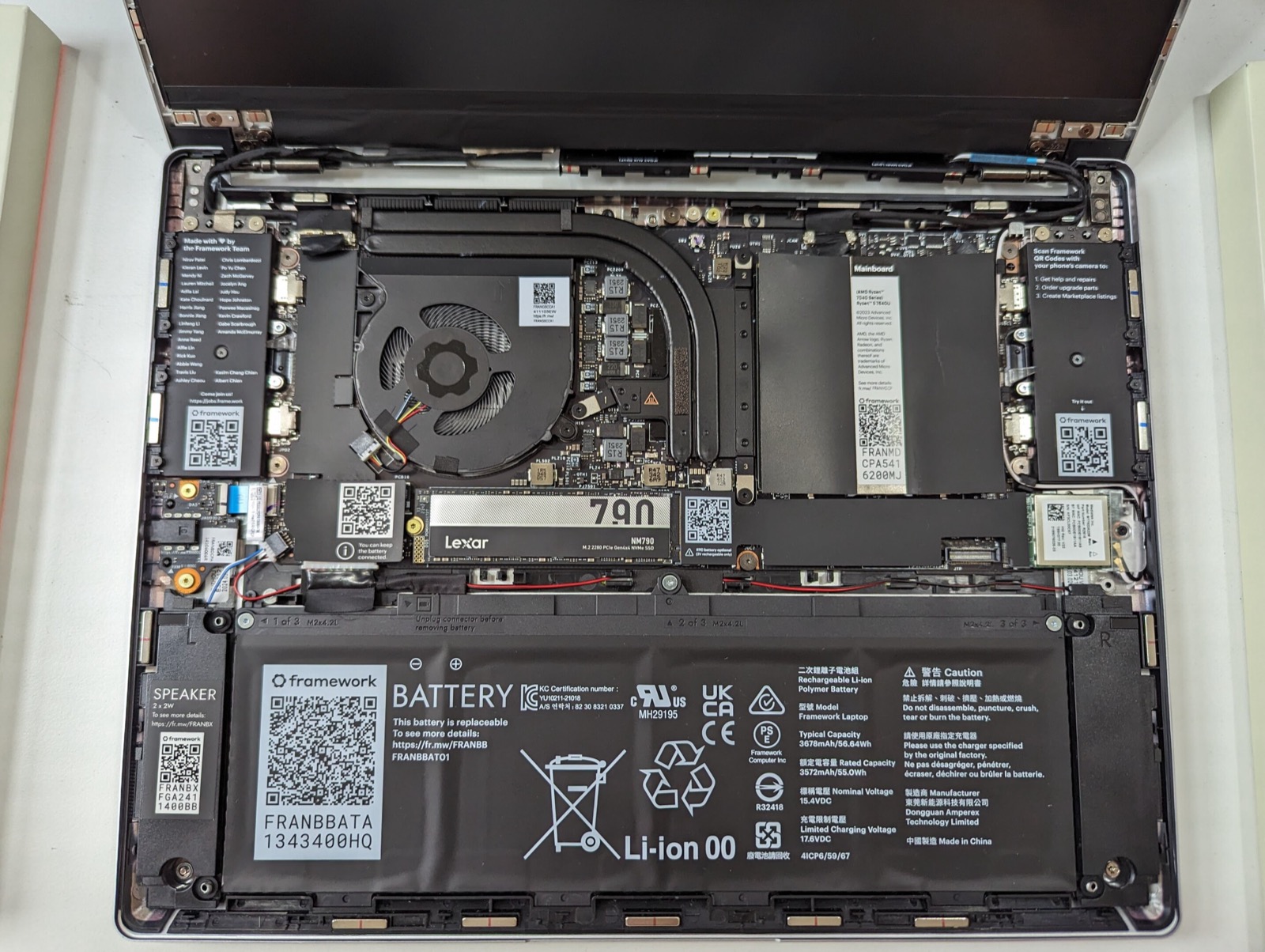
In 2021, Framework promised something that almost every tech skeptic assumed was doomed to fail: a sleek, modular thin-and-light laptop where every single screw, hinge, port, and motherboard could be swapped out in five minutes with an included screwdriver.
Tech giants like Apple, Dell, and Microsoft spent fifteen years soldering memory, gluing batteries, and locking down firmware to convince consumers that disposable computing was unavoidable.
I have been using a Framework Laptop 13 as a dedicated Linux machine for two full years. Here is what happened when I actually attempted to upgrade it.
The Motherboard Swap: 15 Minutes on a Kitchen Table
Last month, I upgraded my older Intel mainboard to the newer AMD Ryzen 7 7840U board.
The process took fifteen minutes:
- Loosen five captive screws on the bottom plate (they do not fall out or get lost).
- Lift the magnetically attached keyboard cover.
- Unplug the display eDP cable and battery connector.
- Unscrew the motherboard, drop in the new AMD board, and tighten five screws.
I pressed the power button, and Ubuntu 24.04 booted immediately without reinstalling the operating system or losing a single file. That feeling is intoxicating.
Where Framework Still Needs Work
Modularity comes with physical tradeoffs:
- Trackpad Feel: The click mechanism is mechanically fine, but it does not match the haptic force-touch perfection of a MacBook Pro.
- Battery Life Standby Drain: Because the four modular USB-C expansion card slots contain independent buck-boost converter chips, idle battery drain overnight is higher than on closed hardware.
- Chassis Rigidity: There is a tiny bit of keyboard deck flex if you press firmly in the center.
Even with those flaws, Framework proved that modular consumer hardware is not a fantasy. It is an engineering choice.

Written by Daniel Dano
danieldano.com ↗15-year-old software developer, founder of Ryla Labs (50,000+ monthly users across 12 countries), author of Built Young, and high school student leader.